A good pasta salad dressing can turn a simple bowl of noodles, vegetables, cheese, and herbs into the dish everyone goes back for. The best part is that you do not need a store-bought bottle or a long list of ingredients. With olive oil, vinegar, mustard, garlic, herbs, salt, and pepper, you can make a bright vinaigrette in minutes. For a richer version, Greek yogurt or mayonnaise transforms the same basic flavor profile into a creamy dressing that clings beautifully to every bite.
This pasta salad dressing recipe gives you two reliable options: a tangy vinaigrette for light summer salads and a creamy variation for heartier cookouts, potlucks, lunches, and meal prep. Use one as written, or customize it with lemon juice, fresh herbs, parmesan, feta, honey, or a little spice.
What Makes This Dressing So Good
Homemade pasta salad dressing tastes fresher than bottled dressing because you control the oil, acidity, seasoning, and sweetness. It is also easy to adjust. Add more vinegar for tang, more honey for balance, more mustard for body, or more herbs for a garden-fresh finish.
This pasta salad dressing is especially useful because it works with many pasta salad styles. It pairs with classic Italian pasta salad, Mediterranean pasta salad, grilled vegetable pasta salad, chicken pasta salad, and simple make-ahead lunch bowls. Once you learn the base formula, you can make a new version every time.
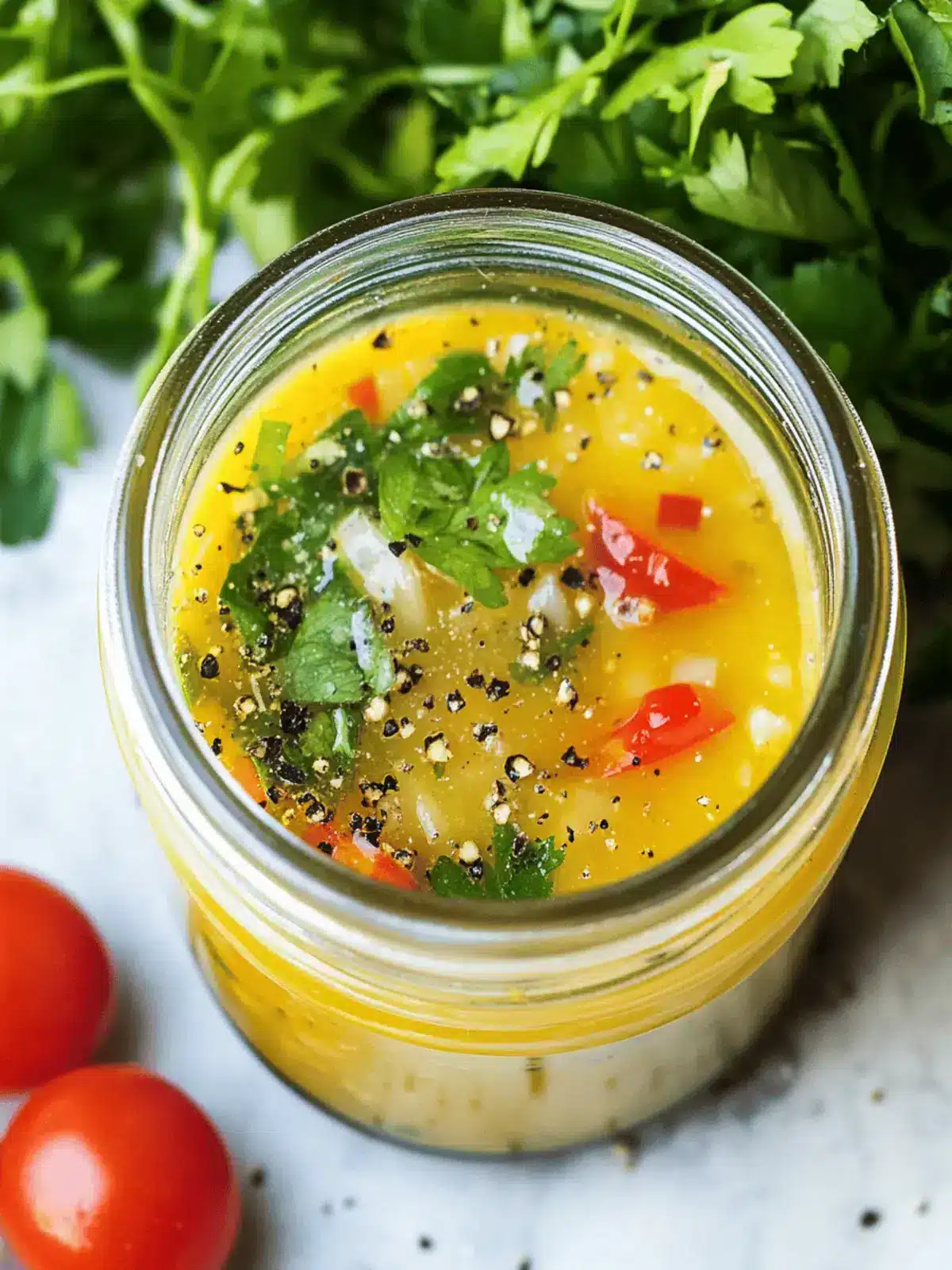
Ingredients You Need
For the vinaigrette:
- 1/2 cup extra virgin olive oil
- 1/4 cup vinegar, such as red wine, white wine, apple cider, or balsamic
- 1 tablespoon Dijon mustard or whole-grain mustard
- 2 cloves garlic, minced, or 1/2 teaspoon garlic powder
- 1 teaspoon dried Italian seasoning, basil, or oregano
- Salt and black pepper, to taste
- 1 teaspoon honey or maple syrup, optional
For the creamy variation:
- 1/2 cup Greek yogurt or mayonnaise
- 1/4 cup grated parmesan, crumbled feta, or another flavorful cheese
- Extra herbs or spices, such as chives, dill, parsley, paprika, or red pepper flakes
Best Vinegar for Pasta Salad Dressing
The vinegar you choose changes the whole flavor of the dressing. Red wine vinegar gives the most classic deli-style taste and works well with olives, tomatoes, salami, mozzarella, and cucumbers. White wine vinegar is lighter and more delicate, making it a good choice for spring vegetables, herbs, and chicken. Apple cider vinegar adds a slightly fruity tang that pairs well with cheddar, bacon, or roasted vegetables. Balsamic vinegar is deeper and sweeter, so it works best with tomatoes, basil, grilled vegetables, or fresh mozzarella.
For an even brighter pasta salad dressing, replace part of the vinegar with fresh lemon juice. Lemon makes the dressing taste lighter and is especially good with feta, parsley, dill, shrimp, tuna, or grilled chicken.
How to Make Vinaigrette Pasta Salad Dressing
Add the olive oil, vinegar, mustard, minced garlic, dried herbs, salt, pepper, and optional honey to a jar with a tight lid. Shake vigorously for 20 to 30 seconds, until the mixture looks slightly thickened and well blended. You can also whisk everything in a bowl.
Taste and adjust before using. Add a pinch more salt if the dressing tastes flat, more vinegar if it needs brightness, or a small drizzle of honey if it tastes too sharp. Pour the pasta salad dressing over cooled pasta and toss until evenly coated.
For best flavor, let the dressed salad rest for 15 to 30 minutes before serving. Pasta absorbs dressing as it sits, so reserve a few spoonfuls to refresh the salad just before it goes to the table.
How to Make the Creamy Variation
To make a creamy pasta salad dressing, prepare the vinaigrette base first, then whisk in Greek yogurt or mayonnaise until smooth. Stir in parmesan, feta, or your favorite grated cheese. Taste and adjust with more salt, pepper, herbs, or a splash of vinegar.
Greek yogurt gives the dressing a tangy, lighter taste with extra protein. Mayonnaise creates a richer, more classic picnic-style texture. You can also use half yogurt and half mayonnaise for a balanced creamy dressing that feels indulgent without being heavy.
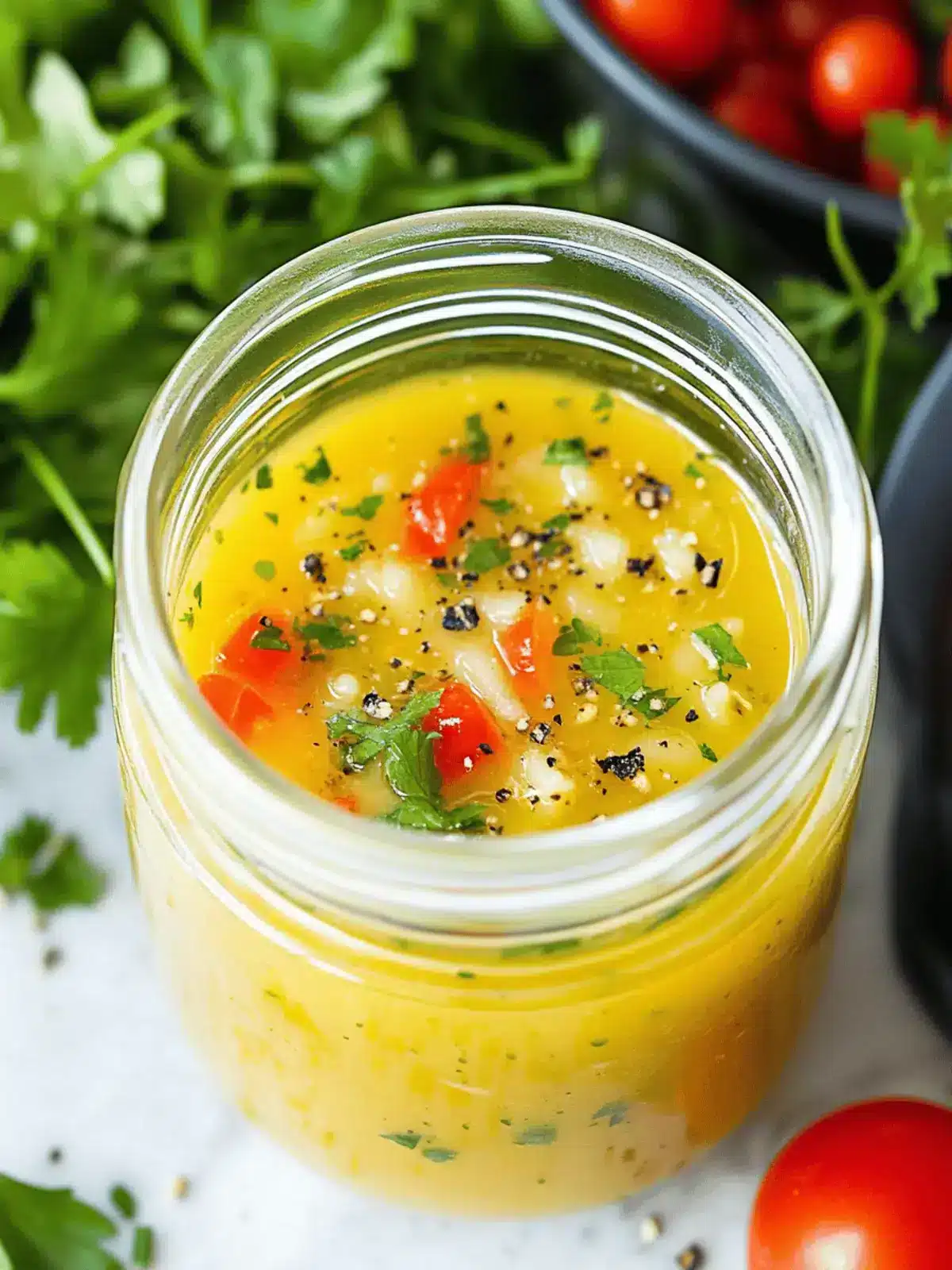
How Much Dressing Do You Need for Pasta Salad?
For pasta salad dressing, a good rule is to use about 3/4 cup to 1 cup for 1 pound of dried pasta, depending on how many vegetables, meats, cheeses, and add-ins you include. Pasta absorbs liquid as it chills, so start with less, toss well, and add more after the salad rests.
If your salad includes juicy ingredients like tomatoes, cucumbers, roasted peppers, or olives, you may need slightly less dressing. If it includes dense ingredients like chicken, chickpeas, broccoli, or cheese, you may need a little more.
Tips for the Best Flavor
Cook the pasta just until al dente, then rinse it briefly under cool water to stop the cooking. Drain it very well so water does not dilute the dressing. Slightly warm pasta can absorb flavor beautifully, but it should not be hot enough to wilt fresh herbs or melt cheese.
Season the pasta itself. Even the best pasta salad dressing cannot fully fix bland noodles. Salt the cooking water generously, then taste the finished salad before serving.
Use good olive oil and vinegar. Since this is a simple recipe, every ingredient matters. A smooth olive oil and a vinegar you enjoy will make the dressing taste brighter and cleaner.
Shake before serving. Homemade dressing naturally separates, especially the vinaigrette version. A quick shake brings it back together.
Easy Flavor Variations
For Italian-style dressing, use red wine vinegar, Dijon mustard, garlic, Italian seasoning, and parmesan. Add a pinch of red pepper flakes for a little heat.
For Mediterranean dressing, use lemon juice, olive oil, garlic, oregano, parsley, and crumbled feta. This version is excellent with cucumbers, tomatoes, olives, chickpeas, and grilled chicken.
For honey mustard dressing, use apple cider vinegar, Dijon mustard, honey, and a little garlic. This sweeter pasta salad dressing works well with cheddar, bacon, broccoli, and rotisserie chicken.
For creamy herb dressing, use Greek yogurt, lemon juice, dill, chives, parsley, garlic, and black pepper. It is fresh, tangy, and perfect for warm-weather meals.
For balsamic dressing, use balsamic vinegar, olive oil, Dijon mustard, garlic, black pepper, and a touch of honey. Serve it with tomatoes, basil, mozzarella, spinach, or grilled vegetables.
What to Serve with Pasta Salad
This pasta salad dressing works with almost any casual meal. Serve it with grilled chicken, burgers, roasted vegetables, sandwiches, barbecue, garlic bread, or a simple green salad. It is also a smart make-ahead side for picnics, potlucks, lunch boxes, and meal prep.
If you are building a full pasta salad, try pairing the dressing with short pasta shapes like rotini, bow ties, penne, shells, or fusilli. These shapes catch the dressing in their curves, making each bite more flavorful.
Storage and Make-Ahead Instructions
Store vinaigrette pasta salad dressing in an airtight jar in the refrigerator for up to 1 week. If the olive oil firms up when chilled, let the jar sit at room temperature for 10 to 15 minutes, then shake well.
Store the creamy version in the refrigerator for up to 3 days, especially if it contains Greek yogurt, mayonnaise, cheese, or fresh herbs. Keep it cold and do not leave it at room temperature for more than 2 hours.
You can make the dressing ahead, but for the freshest texture, toss it with the pasta salad shortly before serving or reserve extra dressing to stir in after chilling.
Common Mistakes to Avoid
Do not overdress the salad right away. Pasta continues to absorb liquid, and too much dressing can make the salad heavy. Add part of the dressing first, let it rest, then adjust.
Do not skip the acid. Vinegar or lemon juice is what keeps the salad bright. Without enough acidity, a pasta salad can taste oily or dull.
Do not forget texture. A great salad needs crisp vegetables, tender pasta, and flavorful add-ins. Dressing is important, but it works best when the whole salad has balance.
FAQs
Can I make pasta salad dressing without mustard?
Yes. Mustard helps emulsify the dressing, but you can leave it out. The vinaigrette may separate faster, so shake it well before using.
Can I use fresh herbs instead of dried herbs?
Yes. Use about 1 tablespoon of chopped fresh herbs for every 1 teaspoon of dried herbs. Basil, parsley, dill, chives, oregano, and tarragon all work well.
Should pasta be hot or cold when adding dressing?
Slightly warm or room-temperature pasta absorbs flavor well. Avoid adding creamy dressing to hot pasta because it can thin out or separate.
How do I fix dressing that tastes too sour?
Add a little more olive oil, a small spoonful of honey, or a touch more yogurt or mayonnaise. Taste and adjust slowly.
How do I keep pasta salad from drying out?
Reserve some dressing and stir it in just before serving. Pasta absorbs dressing while it chills, so a final toss makes the salad taste fresh again.
Can I double this recipe?
Yes. Double all ingredients and store extra dressing in a jar. It is great for quick lunches, grilled vegetables, grain bowls, and green salads.
Final Thoughts
Once you make pasta salad dressing at home, it is hard to go back to bottled versions. This easy recipe gives you a fresh vinaigrette and a creamy option, so you can match the dressing to the meal, the season, and your favorite ingredients. Keep the base simple, taste as you go, and customize it with herbs, cheese, lemon, garlic, or spice whenever you want a new flavor.
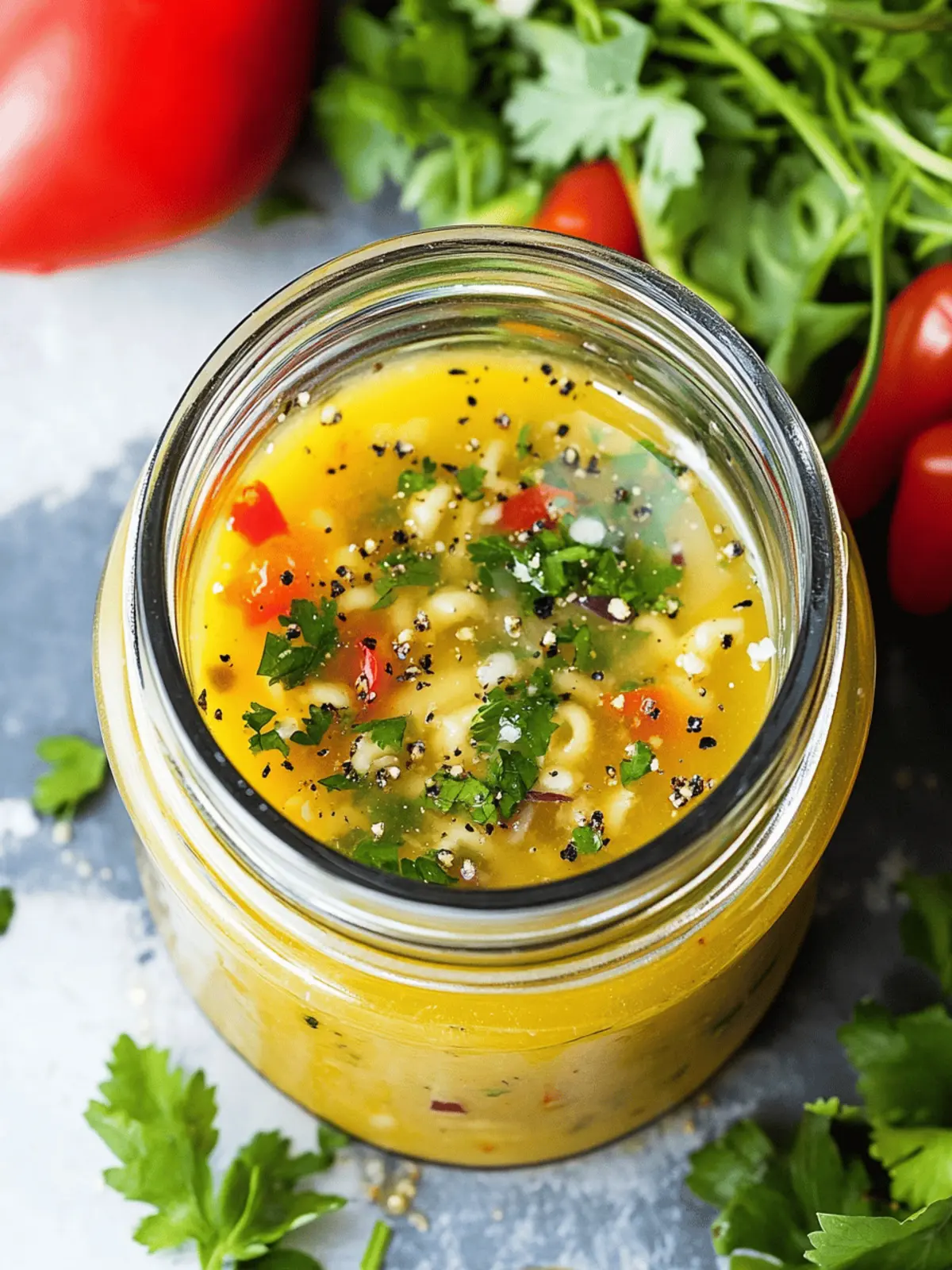
Easy Pasta Salad Dressing Recipe: 2 Fresh Variations
Ingredients
Equipment
Method
- Gather Ingredients: Begin by collecting all the ingredients you’ll need for both the vinaigrette and creamy dressing variations.
- Prepare Base: In a bowl or jar, combine extra virgin olive oil and your chosen vinegar to establish a flavorful base for your vinaigrette.
- Mix Aromatics: Add in the minced garlic (or garlic powder), and whisk the mixture together.
- Incorporate Herbs & Seasoning: Stir in your selected dried herbs, along with salt and black pepper to taste.
- Emulsify (if using mustard): Whisk in the Dijon or whole-grain mustard now for a thicker consistency.
- Shake or Whisk: Vigorously shake the jar or whisk in the bowl until all ingredients are well combined and emulsified.
- Serve: Drizzle over your pasta salad or serve on the side.
- Follow the same initial steps as for the vinaigrette.
- Incorporate Greek yogurt or mayonnaise and grated cheese, mixing until smooth.
- Adjust seasoning and add any preferred herbs or spices before serving.